
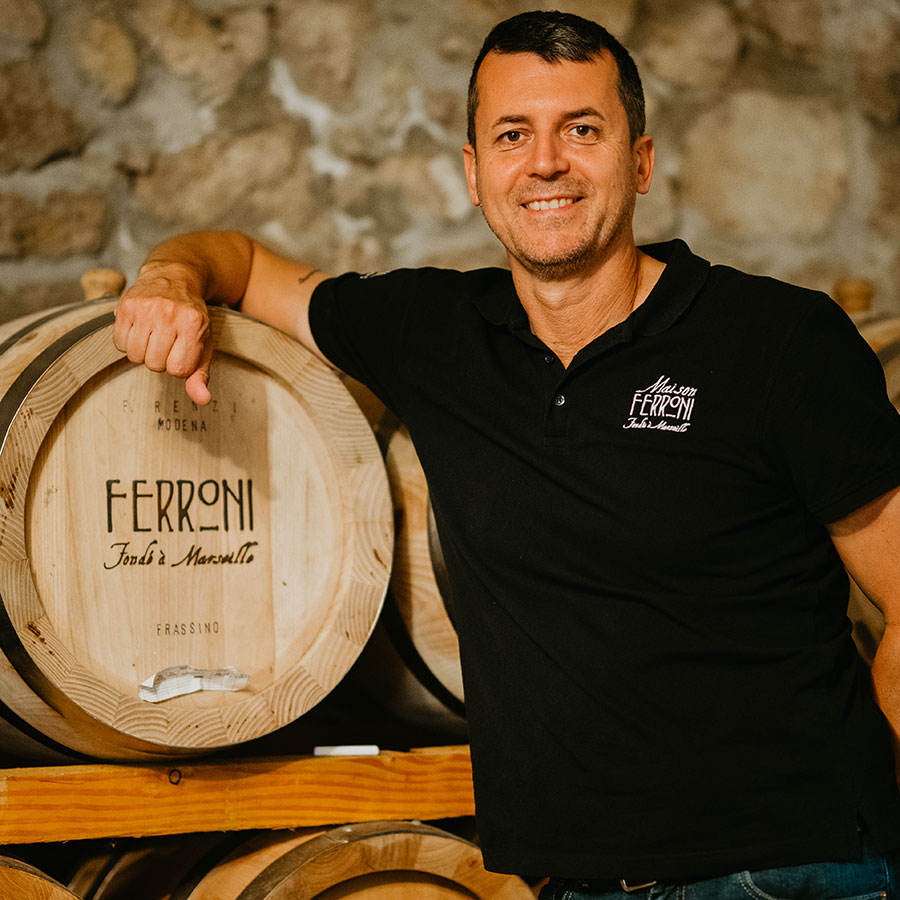
Guillaume Ferroni describes himself as a ‘bartender, historian, distiller.’ Originally from Marseille, he has transformed his passion for spirits and history into a unique profession, combining craftsmanship, historical research and bold creativity. His career path is that of a passionate autodidact who has reinvented himself to become one of the most original players on the spirits scene in France. And his rum, pastis and gin blends are a delight for connoisseurs. Here is his story.
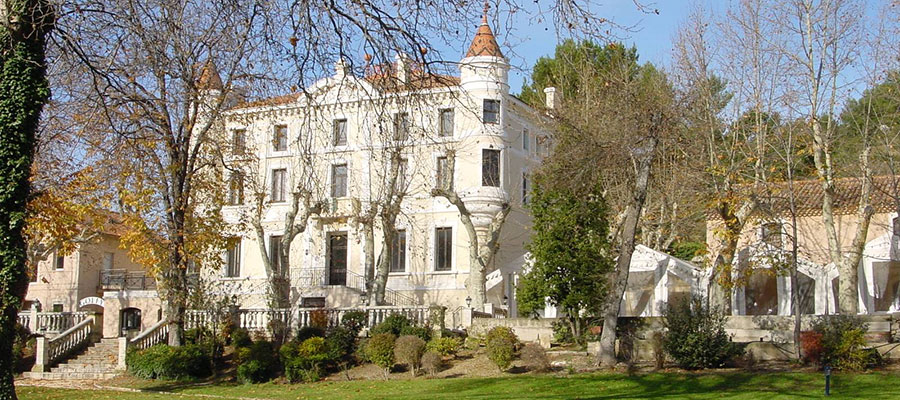
Guillaume Ferroni initially dreamed of becoming a palaeontologist, wildlife reporter, DJ or rock star. But in 1998, while working in vocational training, he stumbled upon an abandoned estate near Aubagne, the Château des Creissauds.
This bourgeois building was constructed in the 19th century on the hillside by Marseille shipowner Henri Saver, founder of the SGTM shipping company, on the remains of an older building probably dating from the 16th century. The site was long a renowned wine-growing estate in the region, and today the Château boasts a park planted with plane trees, hundred-year-old chestnut trees, almond trees, box trees, laurels, yuccas and palm trees.
The rear of the château extends over four hectares of pine forest, offering a natural setting. Château des Creissauds also has an agricultural estate where aromatic and medicinal plants used in the production of local spirits, particularly those used in the famous pastis, are now cultivated or harvested in the wild.
From the bar to spirits production
But let’s not get ahead of ourselves. At the beginning of the millennium, Guillaume Ferroni initially planned to set up a school at the Château des Creissauds. However, the location wasn’t really suitable, so he had to change tack.
This worked out well, as he had meanwhile developed a passion for mixology and the emerging cocktail trend (in France). So he launched a café-concert business and embraced the profession of bartender.
He trained himself by consulting old bar books. ‘In these books, there is always an appendix at the end with descriptions of the products and, very often, how they are made. That’s how I started, by re-creating the recipes.’
In 2011, he specialised in distillation and Château des Creissauds became his laboratory. Guillaume bought some very old stills from the grandson of a former distiller in Épinal. His first official creation was a liqueur (ginger, for the record).
At the same time, he began independently bottling rum. “The turning point was an exhibition organised by the Marseille Chamber of Commerce on 19th-century rum advertising. That’s when I discovered that there was a long and ancient history linking rum and Marseille. Originally, merchants from the port sold their products in the Caribbean and the Americas and returned with rum in the holds of their ships. Generally, it was stored in ex-casks of fortified wines, natural sweet wines, or spirits such as cognac.”
Early successes
Guillaume therefore launched himself at the start of the wave of independent bottlers, alongside Velier, Plantation, Compagnie des Indes, and others. His first and most iconic rum was Ambre (later renamed Ambre Noir), inspired by this Marseille story, blending several origins and ageing styles. Notably, he used ex-natural sweet wine casks, which he adored (Muscat, Rasteau, etc.).
The beginnings were modest, especially as he offered many cask strength rums at a time when rum geeks were few and far between. It wasn’t until the third edition of Rhum Fest that he really noticed a craze for his products, particularly a bottling from Belize. “The level of consumer education about rum was increasing. And single malt drinkers were starting to take an interest. But they wanted aged rums and cask strength rums. I was one of the only ones who had them at the time!”
He quickly became one of the most prominent independent bottlers, enjoying a string of successes and producing some landmark vintages.
The pioneer
He markets one of the first rums aged in ex-Islay peated whisky casks with Boucan d’Enfer. He launches the highly acclaimed Dame-Jeanne series, where white rums are aged for several months or even years in large glass demijohns.
He has expanded into new destinations (some of which have since become mainstream), playing a pioneering role: South Africa, Australia, Corsica, Mauritius, Cabo Verde, the Canary Islands, Sao Tome…
He was also one of the first to age his rums in ex-beer casks (Brasseurs d’Enfer series). More than 10 years ago, he was one of the first to take an interest in Cape Verdean grogue, marketing it in partnership with Jean-Pierre Engelbach of Musica e Grogue, and even one of the first independent bottlers to invest in local production (distillery, ageing cellar) through Vulcão grogues.
He was also a pioneer in the distillation of imported molasses, paving the way for the production of French rums. Finally, he is one of the first, if not the first, to produce a rum made entirely in mainland France: Flamant, in partnership with horticulturist Kévin Toussaint.
Always renewing oneself
As a result, Guillaume Ferroni has become a leading figure in the world of rum. Despite his recognition and success, he is not resting on his laurels and is always looking for new experiments… while remaining clear-headed about the delicate situation facing the spirits market today.
Even though his SME continues to grow, business is not as buoyant as it once was and he faces difficulties, particularly in his independent bottling business. “Sourcing has become complicated, and aged rum is very expensive. We also need to mention the impact of brokers, mainly E&A Scheer and Main Rum, who buy in bulk and then resell to everyone at the same time. As a result, all bottlers have the same products at the same time, making it more difficult to stand out. Finally, there are regulatory issues that are putting obstacles in our way. Increasingly, GIs, and in particular the Martinique AOC, are preventing us from indicating the origin of rums on bottles. So, I communicate on broader areas such as the West Indies or the Indian Ocean,” he tells us.
The mage’s laboratory
When producing his own rums, Guillaume is convinced that most of the aromas are formed during the crucial fermentation stage. He tends to favour long fermentation times and takes a keen interest in high esters.
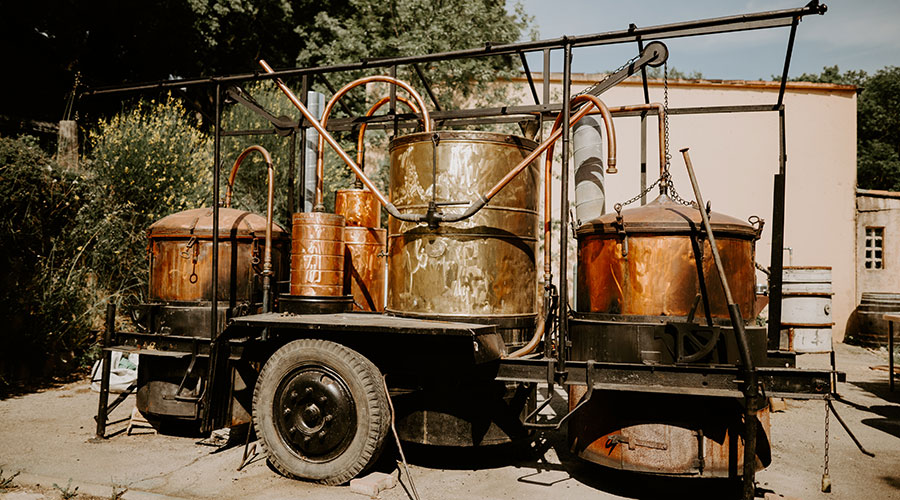
When it comes to distillation, Château des Creissauds has a collection of four old stills, some of which date back to the 19th century (the most ‘modern’ one dates from 1940!). ‘Two from the 19th century, known as “à tête de Maure” (Moor’s head), which come from Épinal, a communal still from a village in Alsace dating from around 1940, and a double-vessel mobile still from Carcassonne (1920s) which can be used with a rectifier,’ explains Guillaume.
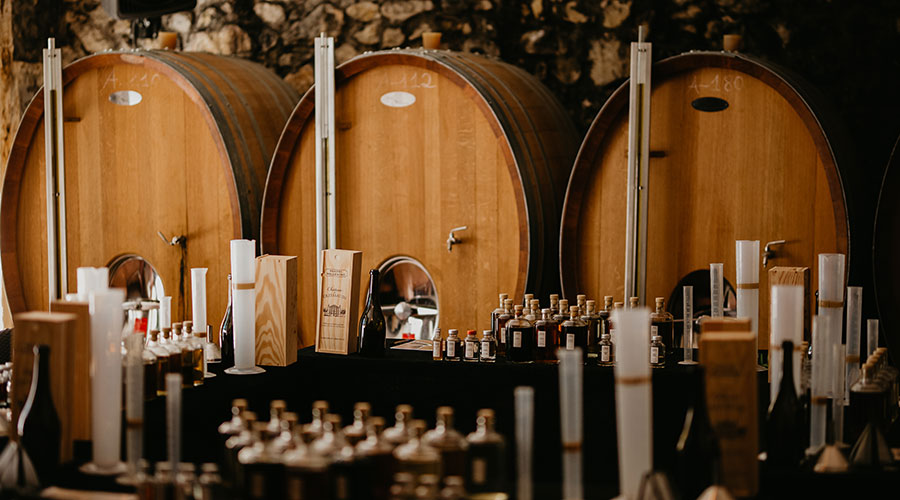
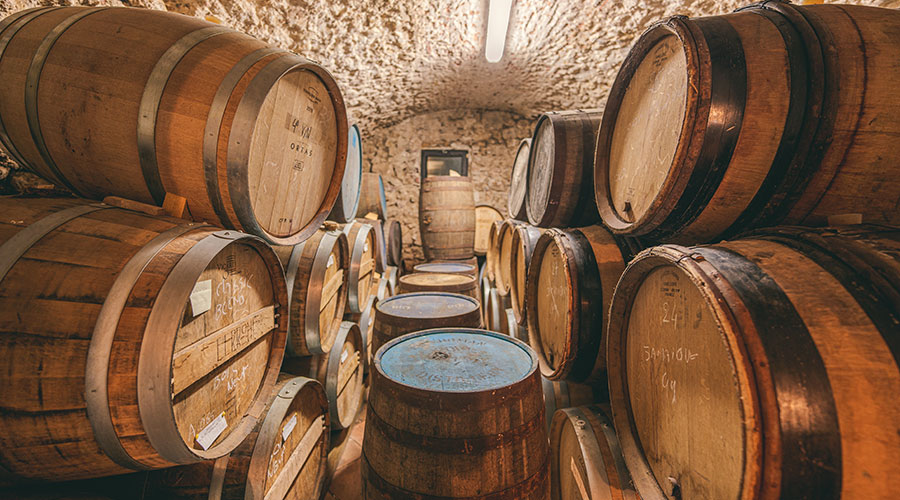
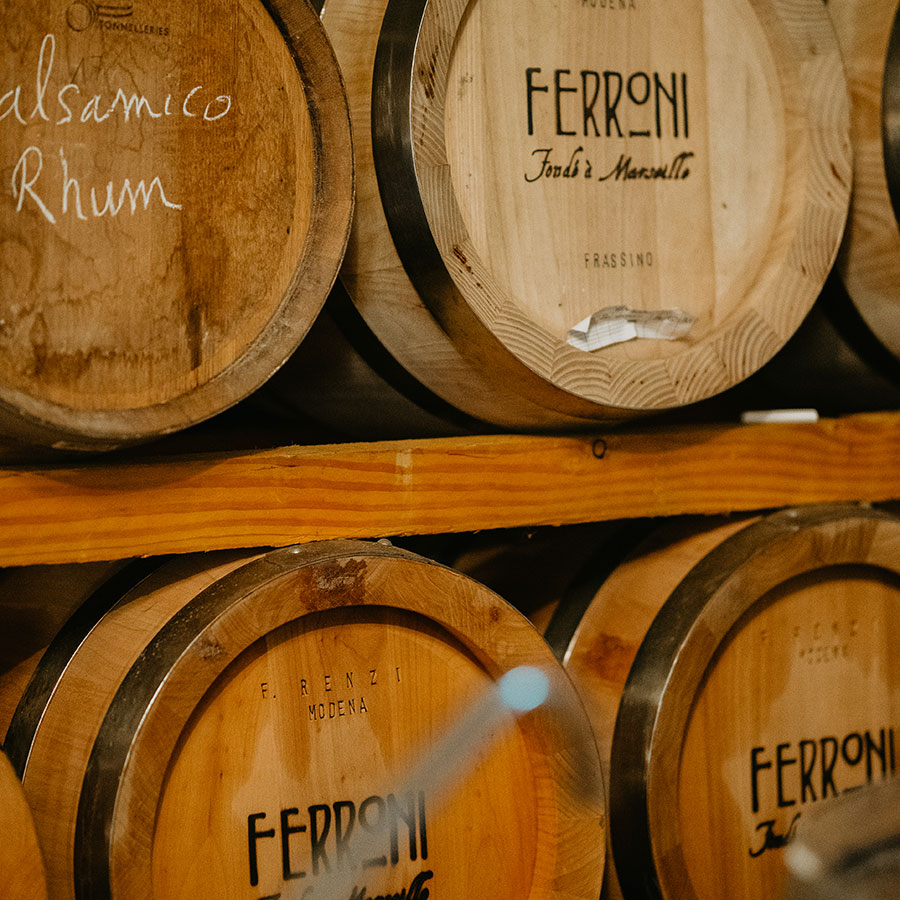
When it comes to ageing, our man makes no secret of his love for French oak barrels that have previously contained cognac or sweet natural wines from Rasteau or Muscat. The château’s cellars, housed in the old vaulted cellars, still allow for a fairly significant amount of angel’s share, as it can get very hot or very cold there, causing the rum to shrink or, on the contrary, to mould itself to the contours of the wood.