
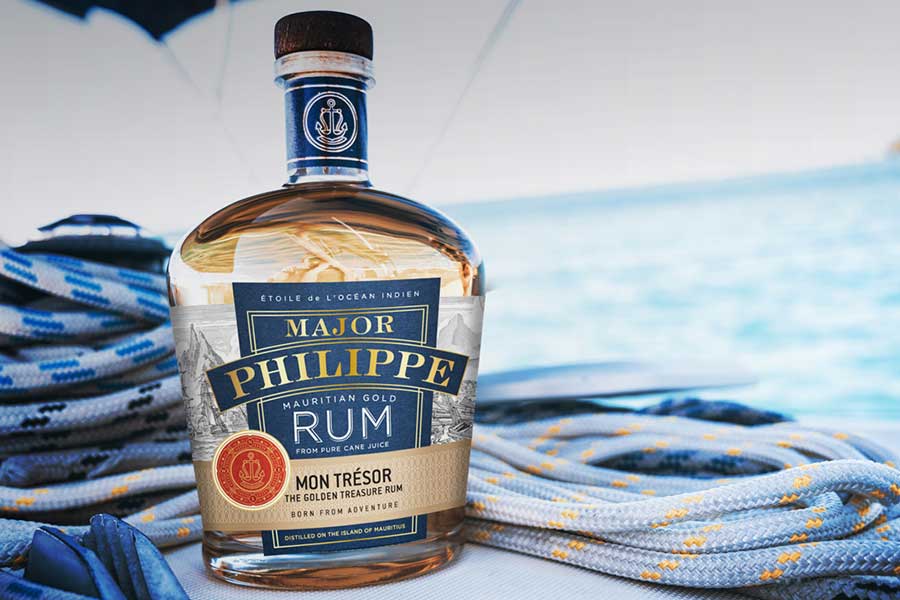
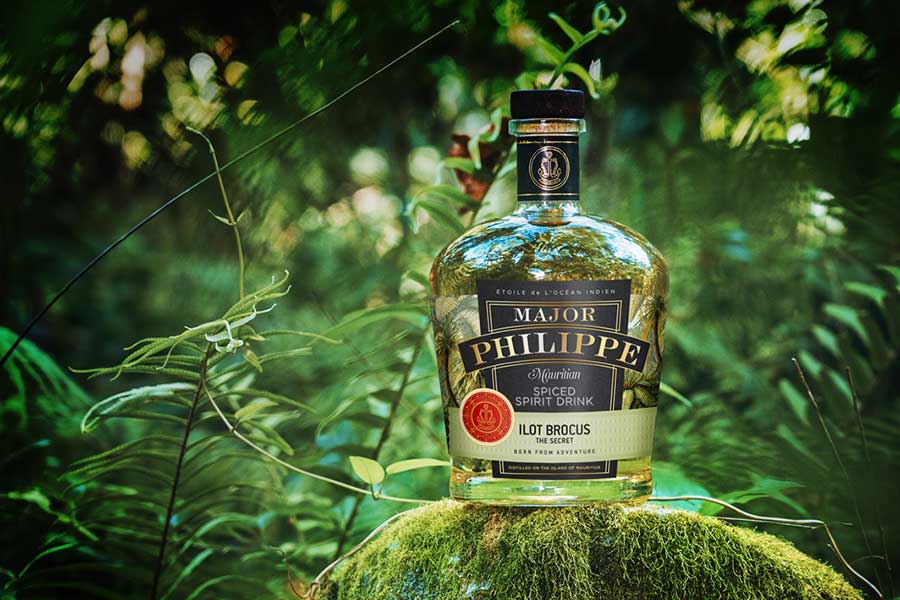
Born from a century of sugar-making expertise, Major Philippe is setting sail for the world of premium Mauritian rum. True to its commitment to sustainability and spirit of exploration, Omnicane is applying its circular economy model, combining local heritage and innovation to meet the global demand for spirits that are both authentic and responsible.
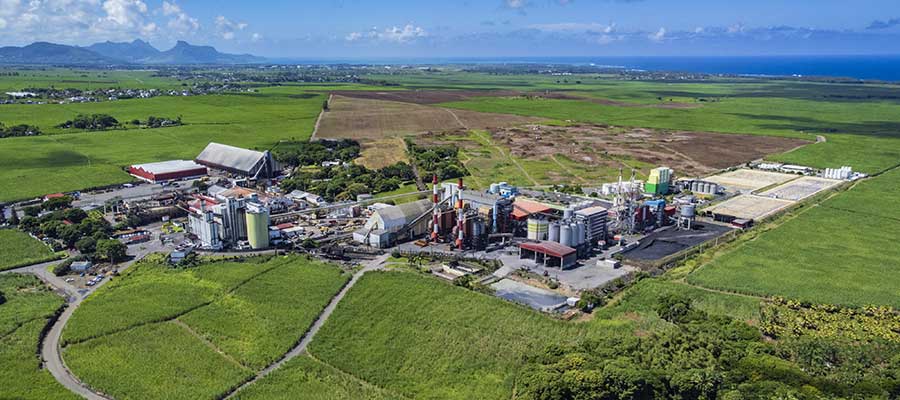
At dawn, in the south of Mauritius, a sweet scent rises from the distillery, and the machines hum, fuelled by the raw material they transform. Before the 2000s, this scene was reserved solely for the production of raw sugar, reflecting a prosperity ensured by European preferential agreements. But the disappearance of these guarantees in 2006 upset the country’s economic balance.
Forced to reinvent itself, the sugar industry has undergone a profound transformation, diversifying into biofuels and aromatic spirits with higher added value. Omnicane is a major player in the Mauritian agro-industry and holds sugar reserves exceeding the island’s annual consumption.
Since 2007, the company has established an integrated industrial complex in La Baraque, based on the principle of the circular economy. This facility extends the cycle of sugar cane into energy, bioethanol, and now premium rum: Major Philippe, the hallmark of responsible luxury.
Nearly 11,000 hectares of sugar cane under cultivation
The cycle begins in the fields. The varieties grown are R 579 (red cane), R 573, R 575, M 1400/86 and M 1176/77 (originally from Réunion and Mauritius), varieties well suited to the volcanic soils and climate of the south of the island.
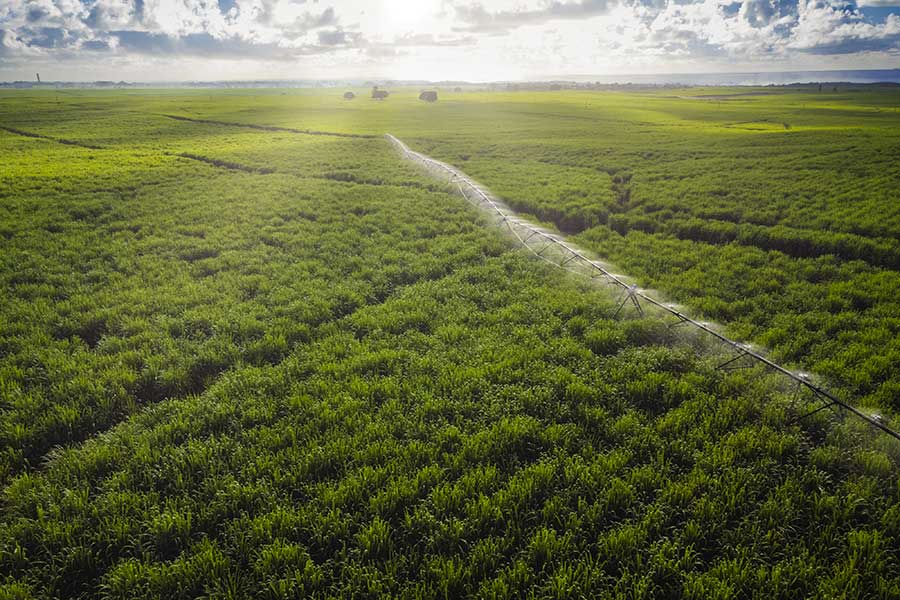
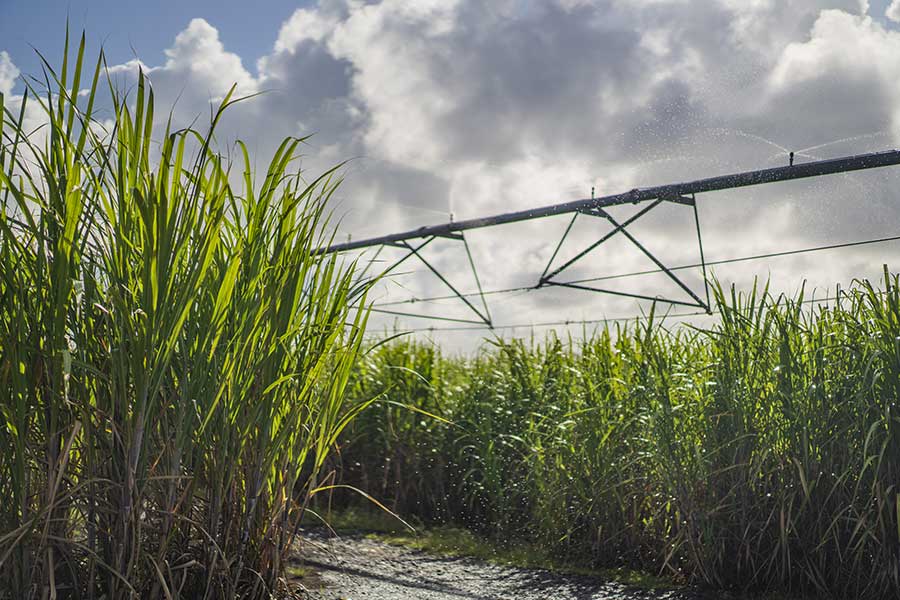
On 2,250 hectares belonging to Omnicane and with the support of 8,856 hectares of partner planters in 2024, the sugar cane cutting campaign is organised from July to early December according to early and late varieties, in order to capture the peak of sucrose. To limit water stress, central pivot irrigation is deployed in a targeted manner.
This is an automated rotating sprinkler system: a metal arm mounted on wheels moves and rotates slowly around a fixed point to irrigate the plots evenly. Omnicane currently operates three units in Britannia and eight in Mon Trésor.
Soil fertility is maintained by adding organic amendments of animal origin, such as poultry litter, as well as by-products from cane processing, such as bagasse ash and concentrated distillation residues (CMS, Concentrated Molasses Stillage) from rum production, while cane straw is left in the field to preserve moisture, enrich organic matter and slow weed growth.
Erosion control relies on mulching and planting rows perpendicular to the slope. Fertilisation is adjusted according to the potential of each plot, with an average of 1.2 kg of nitrogen and 1.2 kg of potassium per tonne of cane, in accordance with the recommendations of the Mauritius Sugar Industry Research Institute (MSIRI).
The use of herbicides is limited to what is strictly necessary and insecticides remain rare, thanks to integrated pest management and biological methods. This rigorous but pragmatic agronomic discipline aims to achieve consistent yields, living soils and high-quality cane. It is the basis for sustainable development that is measured rather than displayed.
1⁄4 of the island’s energy production
In the sugar factory, cane is processed into raw sugar, which is then refined. The molasses produced during these stages is used to fuel the distillery, and bagasse becomes the site’s main source of energy.
This energy, produced by the 90 MW cogeneration plant in La Baraque, supplies steam and electricity to the entire complex — sugar mill, refinery and distillery. With its 35 MW plant in Saint-Aubin, Omnicane injects around a quarter of the national production into the Mauritian electricity grid.
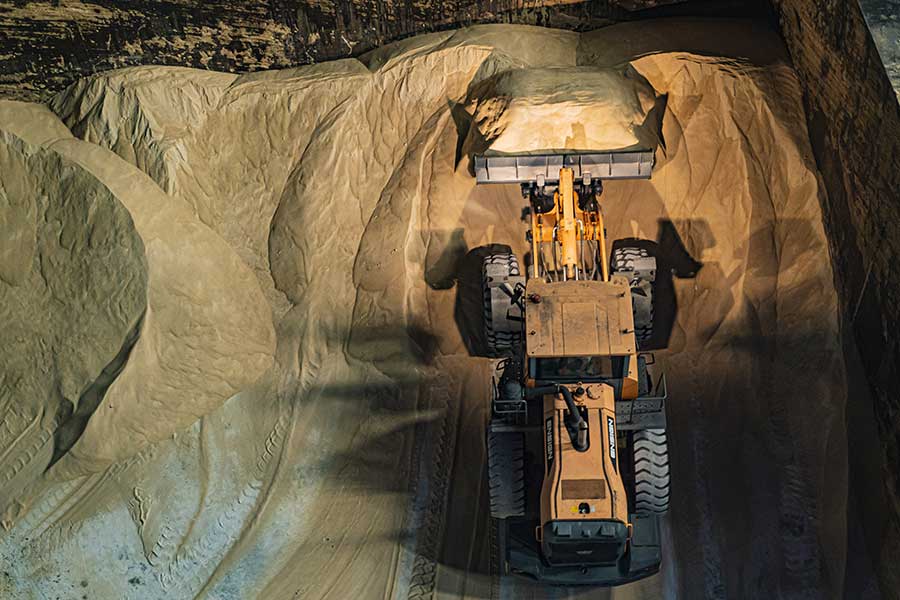
During the intercropping period, coal takes over, but the group is beginning a transition to biomass, supported by the International Finance Corporation (IFC), to gradually reduce the share of fossil fuels. Even the residual ash from combustion is recycled: while bagasse ash is returned to the fields as fertiliser, coal ash is used in the manufacture of cement for the construction industry.
In the distillery, molasses is fermented to produce bioethanol, neutral alcohol or rum. The carbon dioxide released during fermentation is captured and sold to the soft drinks industry and for medical applications.
Vinasse, a distillation effluent rich in organic minerals, is concentrated in CMS and returned to the fields as liquid fertiliser, thus closing the cycle between industry and agriculture. This closed loop allows sugar cane to provide not only sugar and rum, but also the energy and nutrients necessary for its regeneration.
At the forefront of innovation
Innovation now extends beyond energy: in 2023, Omnicane inaugurated a unit in its sugar factory for extracting natural antioxidants from cane, intended for the manufacture of low glycaemic index sugars, food supplements and cosmetics.
In the distillation workshop, the rum column stands above those used for ethanol. This configuration illustrates the continuity between the company’s various areas of expertise: from sugar to alcohol, and now to rum. The column, equipped with additional trays, has been designed to allow finer work on the aromatic compounds, without breaking with the site’s integration logic.
Here, each stage of the process has its place within the same industrial architecture. Every flow – steam, ash, CO2 or organic by-products – is given a second life. Together, they form a coherent industrial ecosystem where energy efficiency, waste reduction and product diversification reinforce each other.
On the south coast of Mauritius, where volcanic rock meets sugar cane fields, a new kind of distillery is buzzing: here, the future of rum is fuelled by its own residues.
Sustainable development in the service of premium rum
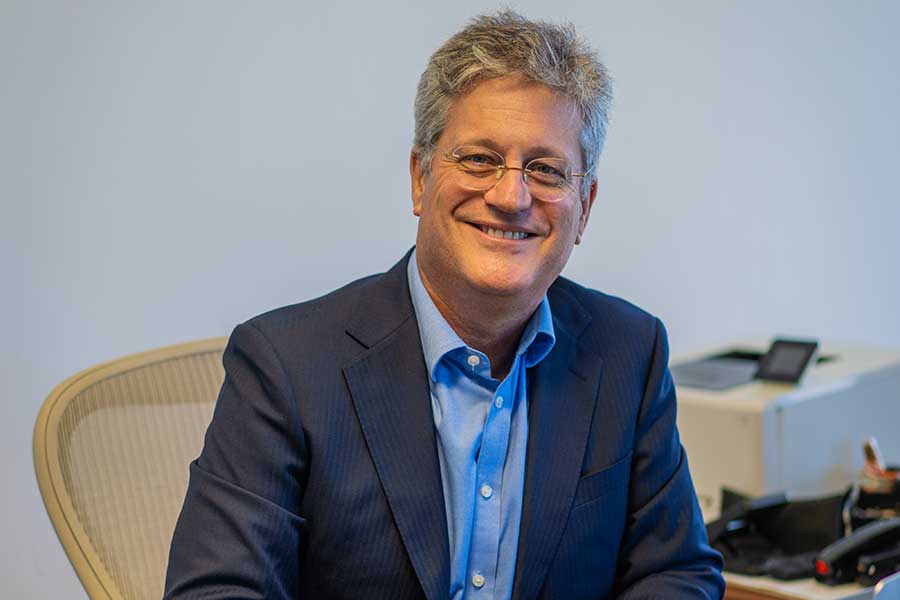
Today, global demand for quality rum continues to grow, and consumers are looking for spirits with authenticity and a sustainable heritage. ‘We are meeting these expectations through sustainable cane cultivation and energy-efficient distillation,’ explains Jacques M. d’Unienville, Managing Director of Omnicane, with ambition. Major Philippe aims to establish itself as a leader in the production of eco-friendly rums while highlighting Mauritius as a new destination for premium rum.
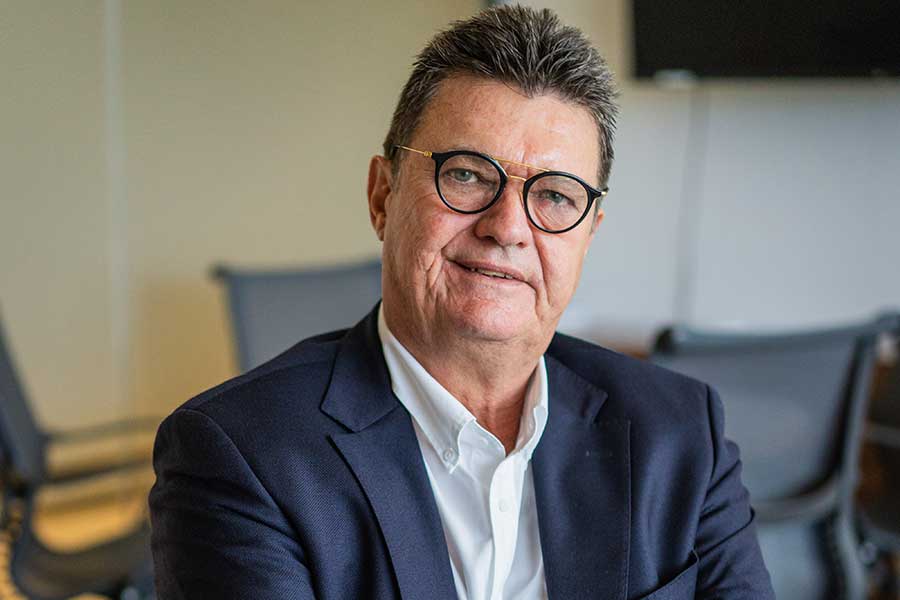
Bertrand Thévenau, Managing Director of Omnicane’s real estate, distribution and brands, adds, “Mauritius is renowned for producing some of the best sugar cane in the world, with an average yield of 12 tonnes of sugar per hectare compared to the global average of 9.5 tonnes. Our premium and sustainable spirits, sourced from distinctive terroirs, are fully equipped to compete in the highest segments of the international spirits market.”