
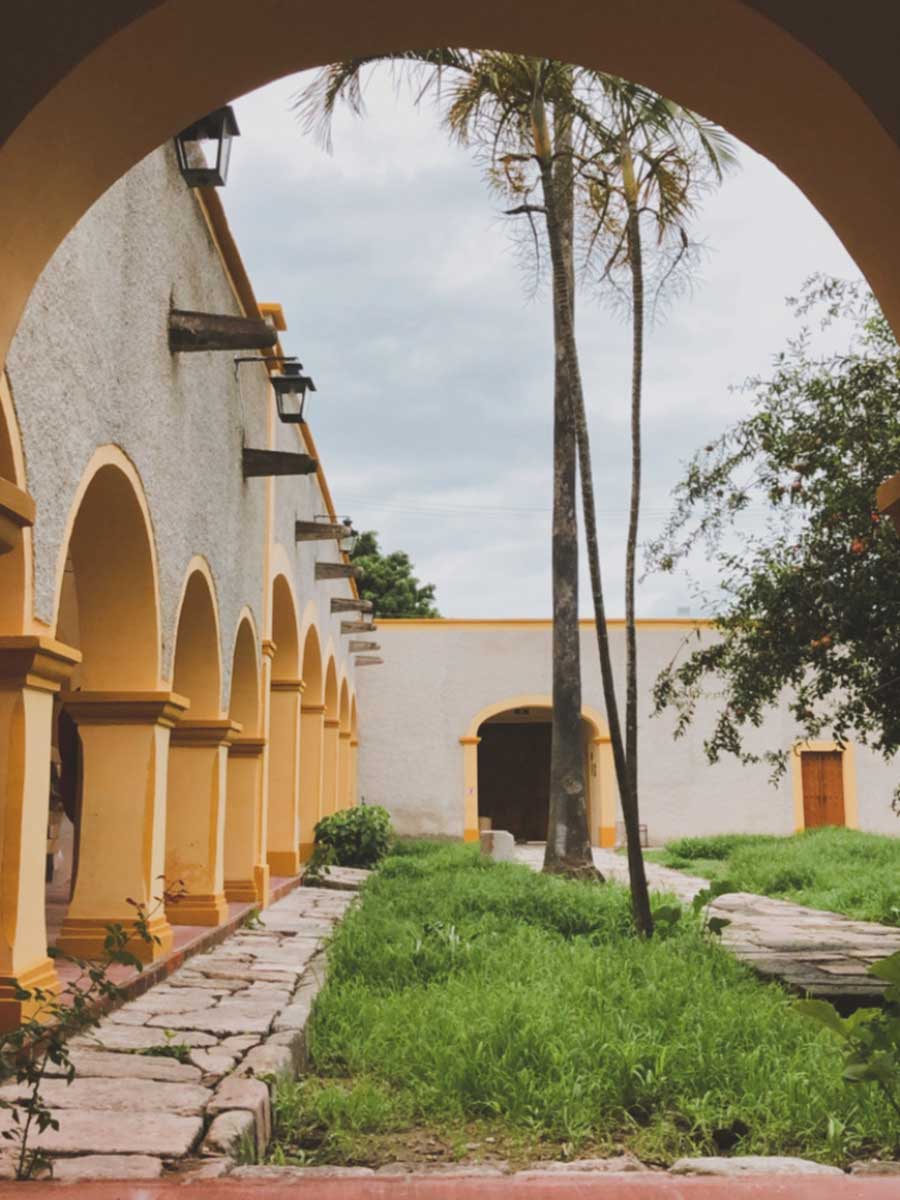
Hacienda Navajas
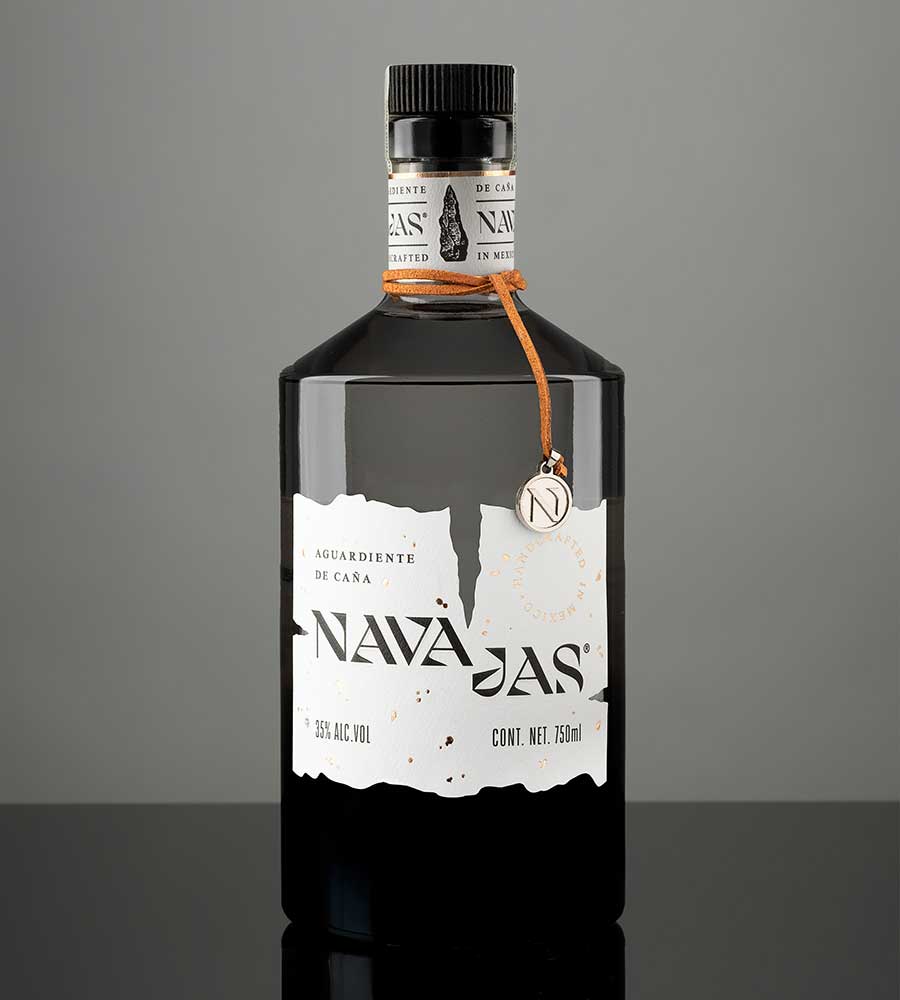
Hacienda Navajas is a distillery located in the Tala Valley, Jalisco, a region with a rich agro-industrial history of sugar cane dating back to 1850. Navajas rum has been produced using traditional methods since 2019 from cane molasses, following a process that culminates in a spirit that is then transformed into rum through ageing.
The Navajas project began amid the ruins and rubble of the hacienda building with its restoration, respecting the original architecture and saving this structure with more than three centuries of history from oblivion. The Hacienda Navajas process combines traditional techniques with the precision of modern equipment to obtain a high-quality spirit.
The fermentation of the must, prepared with molasses, is a process carried out in an open stainless steel tank. Their base is the product of a short, controlled fermentation of molasses, which produces an excellent light spirit.
The legal requirement in Mexico is that rum is a cane spirit that has been aged for a minimum of 6 months in white oak barrels. The minimum alcohol content for rum in Mexico is 35%.
For their 35% white cane spirit, fermentation is short, lasting 3 to 6 days (they are working on a new 40% formulation). This is the basis for the 40% ABV spiced rum. For the 55% ABV overproof cane spirit, they blend two spirits: one fermented for 3 to 6 days and the other for 16 days, resulting in a product that is much richer in congeners.
They distil using the discontinuous method, carried out in a still that they have customised for their profile, a hybrid/mixed stainless steel type with reflux, equipped with a pot + a column with four trays + a copper insert. The modifications made allow them to use it as a pot or as a column, offering more flexibility than a traditional still. It is heated directly by a gas burner in a firebox lined with local obsidian, paying homage to the village of Navajas and its history. Hacienda Navajas uses American and French white oak barrels. It currently offers rums aged from 6 months to 3 years.
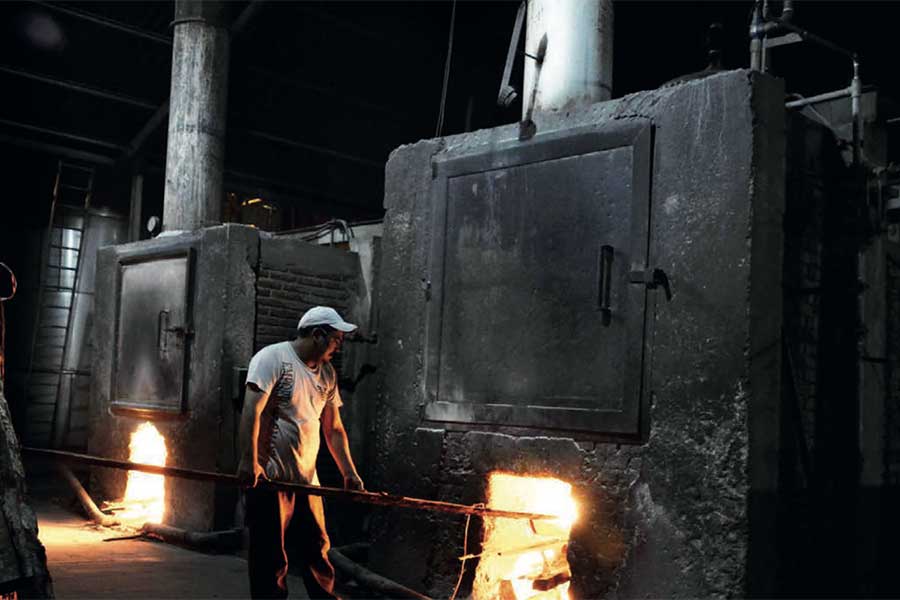
TARASCO DISTILLERY
Sugar cane arrived in Michoacán in 1544. Casa Tarasco Spirits is a family-owned distillery located in the city of Uruapan, Michoacán, where the Pacheco family has been making rum since 1907. Originally, the family produced mezcal in another area of the state before 1907, but around that same year, they began distilling sugar cane spirits using the same type of Philippine-style still (the Spanish were already distilling in the Philippines, which was a colony of Spain) as was used to make coconut wine.
The name Charanda comes from Cerro de la Charanda (Charanda Hill), located in Uruapan, and means ‘red earth’ in Purépecha. Casa Tarasco works with five varieties of sugar cane, grown in their own fields, which allows them to maintain complete control over the raw material and preserve the character of the terroir. The altitude conditions of the appellation vary between 1,200 and over 2,500 metres above sea level. The volcanic soils and the use of spring water from the Cupatitzio river basin give Charanda’s sensory profile a unique identity.
The fermentation process occurs naturally and varies depending on the time of year, as cane is harvested throughout the annual cycle. Factors such as ambient temperature, sugar cane type and sugar content (Brix degrees) have a direct impact on the duration and progress of fermentation.
For example, during hot periods, the sugar content is generally lower, resulting in faster fermentation. In cooler climates, the process takes longer, producing more fruity and complex profiles.
Fermentation can last from 5 to 12 days. Fermentation takes place in two municipalities: Uruapan and Ziracuaretiro, which introduces subtle differences due to the micro-environment of each area, particularly in terms of relative humidity and night-time temperatures.
For fresh cane juice, wooden vats are used, which promote interaction with natural microorganisms and micro-oxygenation, while molasses fermentation takes place in stainless steel vats, which allow for more precise and stable control of the process.
In the community of Patuán, the cane is still pressed in a 1921 cast iron Scottish mill, powered by water, to extract the juice, which is then fermented and distilled. Distillation is carried out in both copper stills and French-style distillation columns.
These columns vary in thickness, height and number of plates, depending on the desired distillate profile: some produce lighter, more floral spirits, while others retain more structure and mineral notes. Not all of them are used every year.
Les deux systèmes sont alimentés par des chaudières à biomasse qui fonctionnent exclusivement au bois de chauffage, sans utilisation de gaz ni de combustibles fossiles, préservant la durabilité et le respect de l’environnement.
The spirit has an alcohol content which, according to the Appellation d’Origine standard, must be between 50 and 55% vol. before resting/ageing. The rested and aged versions are aged in ex-bourbon American whisky casks, although casks that previously contained sherry, Hungarian wine, French oak and even Brazilian casks are also used for other products, imparting different nuances of vanilla, dried fruit, wood and spices.
Uruapan Charanda Añejo is aged for 22 months before bottling, achieving a refined balance between sweetness, minerality and notes of ripe cane.
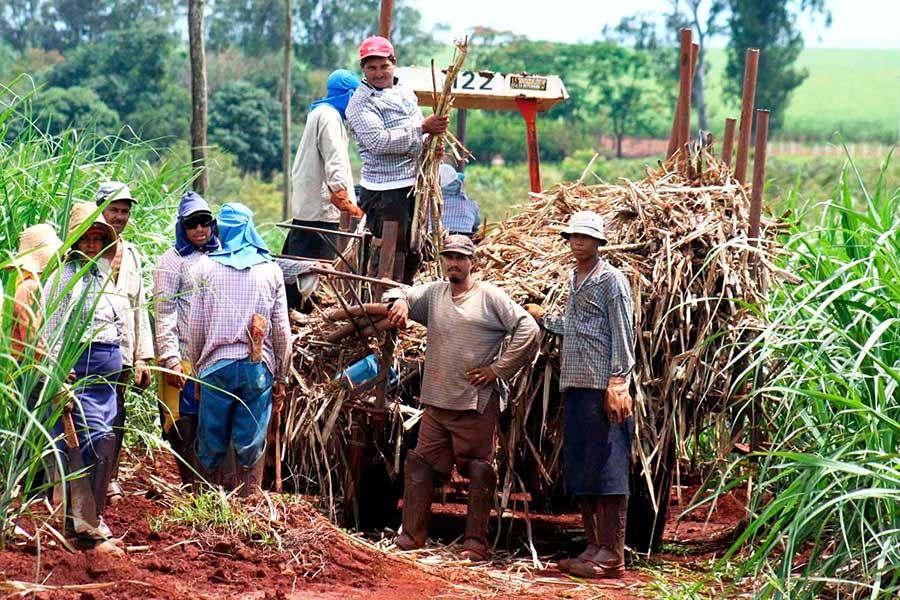
SERRANO DISTILLERY
The rum tradition began with Max Krassel, a German immigrant who arrived in Veracruz in 1917 and ended up distilling brandy on a coffee farm in the Cañada d’Oaxaca in the 1930s. His children continued and developed the business. Due to the lack of roads, rum was initially transported by mule.
One of the sons, Max Jr., revolutionised distribution in the 1970s by using his Cessna plane to deliver large orders to remote communities, which had built landing strips.
Today, Max’s four grandchildren (Isidoro, Rommel, William and Axel Krassel Peralta) continue the legacy of artisanal production in Santa María Tlalixtac, ensuring that the family rum, forged over three generations, reaches consumers despite the difficult access to the area.
The Krassel family’s rum
The distillery is run by brothers Isidoro, Rommel, William and Axel (Krassel), descendants of Max Peralta. They use sugar cane harvested from slopes between 700 and 1,200 metres above sea level, which is transported to the mill (trapiche) by horses, donkeys or mules.
The harvested sugar cane is milled the same day in a Campollo mill (manufactured by the Mexican company Campollo Fundición y Maquinaria Campollo- FYMCA). The juice is filtered and transported by gravity through a pipe system that can be up to 2 km long before reaching the distillery.
The Krassel family moves the mill from one location to another depending on the season. For large batches, the freshly pressed cane juice arrives at the distillery and is diverted to seven 1,200-litre stainless steel fermentation tanks stored outside the distillery.
The juice begins to ferment on its own, thanks to the presence of abundant wild yeasts that initiate and maintain fermentation. Depending on the climate, the yeasts and the sugar content of the cane juice, fermentation lasts between six and ten days. For small batches destined to be distilled in copper stills, the freshly pressed cane juice is diverted to a small cellar housing three pine vats, where the juice ferments with ambient yeasts.
Fermentation is natural, using wild yeasts present in the cane. Fermentation lasts between 6 and 10 days depending on the fermentation period due to temperature and brix, as they do not have controlled fermentation.
The column still, or ‘Krassel Still’, invented by founder Peralta, is a continuous still containing eight trays in the distillation column, and the alcohol content of the distillate is regulated by the temperature of the cooling chambers and the flow of fresh cane juice to the boiling chamber. Unlike most brandy producers in Oaxaca, the Krassel family uses diesel fuel to power their still, instead of firewood, which is the most common method in this area of Mexico.
The Krassels have four ageing areas: a dry cellar located 1,700 metres above sea level, a humid cellar located in the basement of the distillery 600 metres above sea level, an even more humid cellar 100 metres from the Río Blanco river, and a fourth, small cave, exposed to the elements at the foot of the Río Blanco river. The column and pot still rums are aged in a combination of various casks, including ex-whisky, ex-cognac, ex-new French oak, ex-sherry and ex-mezcal casks.
PARANUBES
Paranubes is an artisan distillery located in the Sierra Mazateca, in the north of the state of Oaxaca (Mexico). Its project aims to preserve and promote the local tradition of cane brandy — a rum made from cane juice — produced by farming families in the region and transform it into a brand with an international presence, while maintaining traditional techniques and respect for its origins.
The rum is the brainchild of master distiller José Luis Carrera, whose family has been making spirits in the region for at least three generations. The Paranubes marketing and positioning project benefited from the collaboration of people linked to the world of mezcal and the co-founding of players in the sector (e.g. association with figures linked to Mezcal Vago at the origin of the project/collaboration).
This combination of family tradition and external support explains its leap into export markets. The cane is grown on farms in the mountainous region (Sierra Mazateca), on rich soil and in a humid subtropical climate.
Paranubes focuses on working with local varieties grown without pesticides or fertilisers (small-scale organic production). They use four varieties of cultivated sugar cane: Caña Dulce, Caña Morada/Negra, Caña Dura and Caña Amarilla/Criolla.
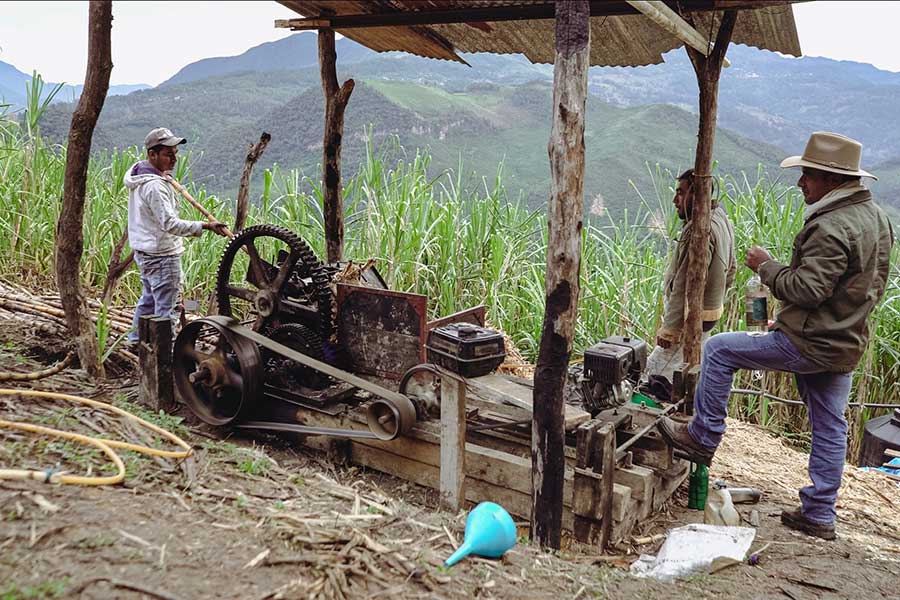
The cane is pressed in a traditional mill (trapiche) and uses the natural fermentation of fresh juice, which brings complexity and distinctive fruity/vegetal notes. The fresh juice is transported by gravity to 1,100-litre fermentation vats or barrels made of pine wood, located in the open air.
Fermentation with mesquite bark
Each morning, only about half of the contents of a fermentation tank are distilled. That same afternoon, the tank is refilled with fresh juice. This allows the native yeast and established flavour profile of the tank to remain continuously active. Fermentation can last from 2 days to 4 months before the tank is completely emptied and cleaned to start again.
The result of fermentation is a ‘cane wine’ with an alcohol content of between 5 and 7% alcohol by volume. The infusion of mesquite and the addition of mesquite bark in the fermentation process have been documented, contributing to the flavour profile.
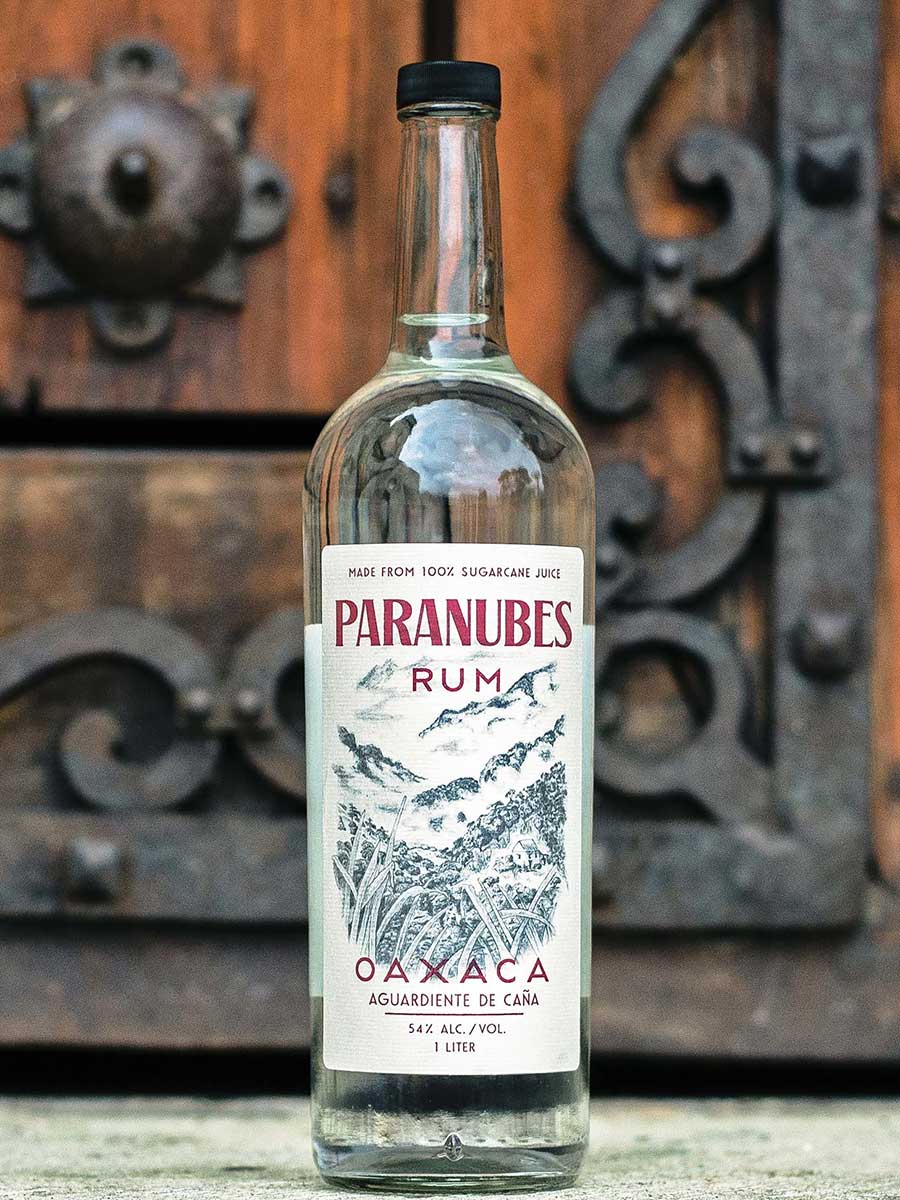
A hybrid copper still with a copper column and six trays is used. A single distillation lasting approximately nine hours is carried out. The resulting spirit is around 54% ABV. The rum is bottled without additives and without the addition of water (at the degree of distillation).
Ageing also produces aged expressions, maturing the spirit in used American oak barrels or ex-tequila French oak barrels for periods of 18 to 24 months.
Read the interview: Juda Kuper, the man who discovered Paranubes and brought it to the attention of the general public.
RON HUASTECO POTOSÍ
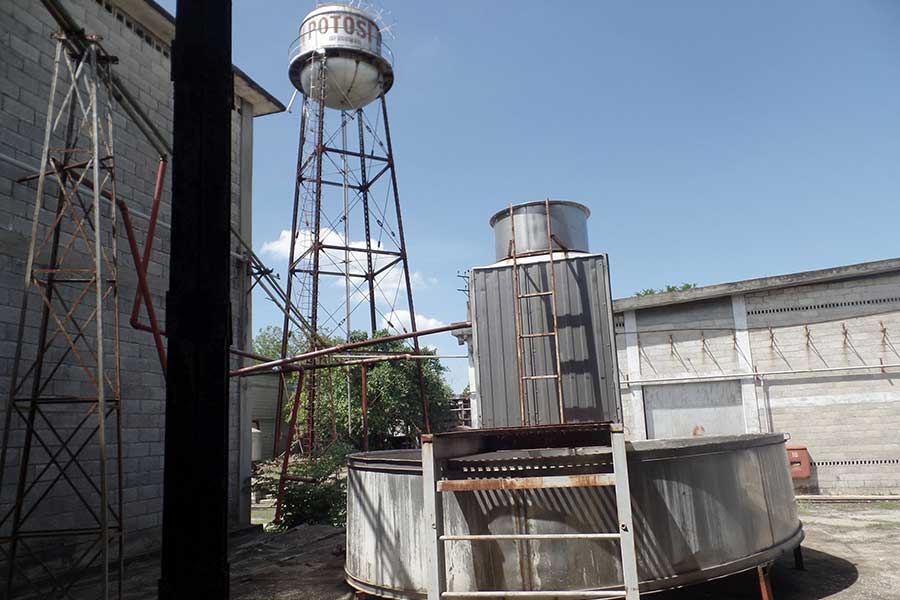
The first industry in Cd. Valles, the Huasteca Distillery or Ron Potosí, was founded and established in 1938 in El Pujal by Spaniards Santiago Dañobeitia and Miguel Dorcas. This company produced rum of internationally recognised quality; unfortunately, a massive flood of the Tampaón River caused by Hurricane Hilda in 1955 destroyed the facilities, sweeping away hundreds of barrels filled with product.
A few barrels were saved, and as a result, they were forced to move the distillery to Ciudad Valles, where they built the new factory at kilometre 2.95 of the road to Tamazunchale.
Ron Huasteco Potosí was one of the best rums in the world and was exported to several countries from this city, in its white and aged versions, with an alcohol content of 38% and sold in the best bars and exclusive establishments in the country and abroad.
The company’s decline accelerated with changes in management: after many years, in 1996, it closed its factory and went bankrupt. In 2019, it was revived by a group of entrepreneurs, first in Aguascalientes and now in Potosí.
Read also: Focus Terroir – Mexico, the new frontier for rum?